The Layering Formula for Road Trips With 30-Degree Temperature Swings

Quick Answer: The most reliable approach for a road trip with big temperature swings is three light layers instead of one heavy one — a breathable base layer, a mid layer that can be removed and stuffed in a bag, and a packable outer layer for cold mornings or rest stops — rather than dressing for either extreme.
One heavy jacket solves a cold morning and creates a hot-car problem by noon; three light layers solve both ends of the day with the same outfit.
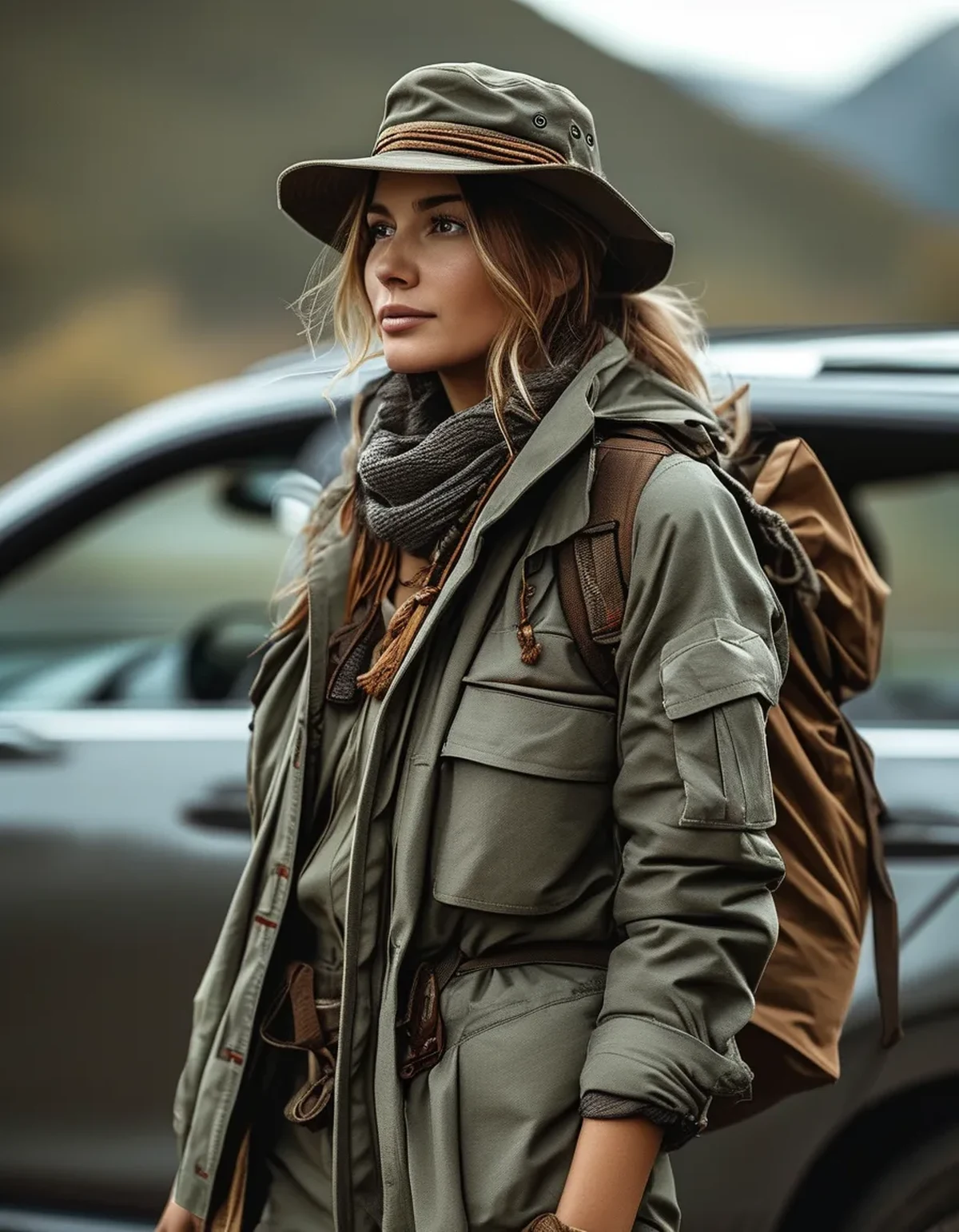
Why does single-layer dressing fail so often on road trips?
A single warm layer is calibrated for one temperature, and road trip days routinely swing between a cold start, a warm car interior, and unpredictable rest stop conditions.
Three lighter layers give far more range to adjust throughout the day without needing a full outfit change, which isn’t practical from the driver’s seat anyway.
What should each of the three layers actually be?
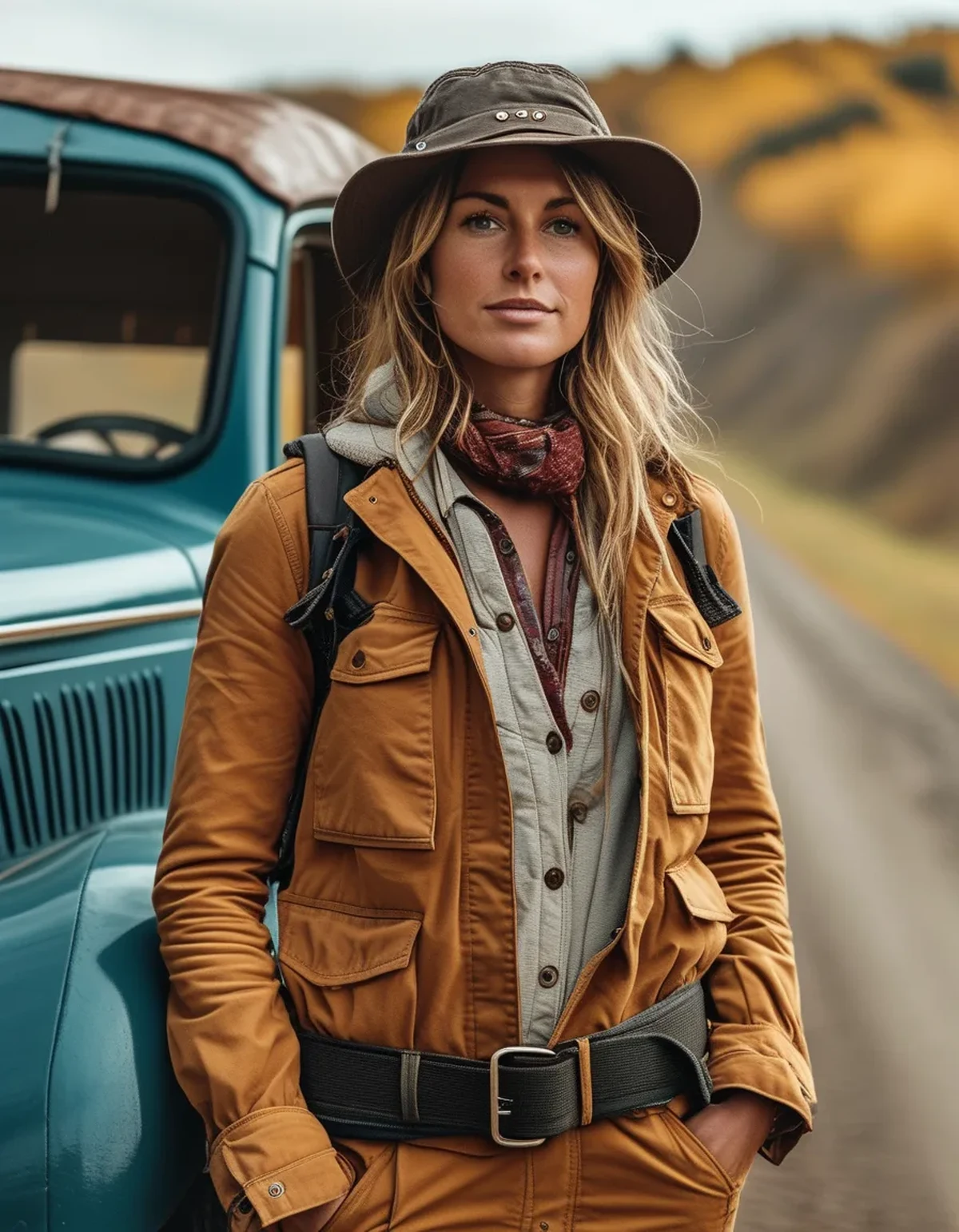
A breathable base layer (a soft t-shirt or thin long sleeve) handles the baseline temperature and moisture, a mid layer like a light zip-up handles moderate chill, and a packable outer layer (a compressible jacket) covers genuinely cold mornings or evenings.
Each layer should be easy to remove one-handed and easy to stuff into a bag or door pocket without wrinkling badly, since road trip storage space is limited.
Myth vs Fact: Road Trip Layering
Myth: one versatile heavy jacket is more practical than multiple thin layers. Fact: multiple thin layers offer more temperature range and are easier to adjust throughout a single day than one item that’s only right for one temperature.
Myth: layering only matters for outdoor stops, not time spent in the car. Fact: car interiors swing in temperature too, especially with sun exposure through windows, making layering relevant even without leaving the vehicle.
What fabric choices actually hold up for a full day of layering?
Breathable, slightly stretchy fabrics for the base layer prevent overheating in a warm car, while a mid layer in a moisture-wicking material avoids that clammy feeling during activity at rest stops.
A water-resistant, packable outer layer covers unexpected weather at a stop without needing to check a forecast for every single town on the route.
FAQ: Road Trip Layering Questions, Answered
How many outfit changes does a typical road trip layering system actually need?
Usually none for the day itself — the same three-layer system adjusts throughout, though a fresh base layer for a multi-day trip is still practical.
Should shoes be part of the layering strategy too?
Yes — slip-on shoes that work for both driving comfort and quick rest-stop walks avoid needing a separate shoe change.
Does this layering approach work for passengers as well as drivers?
Yes, the same logic applies, though drivers benefit even more since removing layers mid-drive needs to be simple and one-handed.
TL;DR:
- Three light layers beat one heavy layer for road trips with big temperature swings
- A breathable base, adjustable mid layer, and packable outer layer cover the full range
- Car interiors swing in temperature too, not just outdoor stops
- Choose fabrics that pack small and go on or off with one hand
Pack for the whole day’s temperature range, not just the moment you walk out the door.
Keep Reading
This article is for general informational and styling purposes only. Fit, sizing, and product availability may vary.